What is a cozy mystery, and how is it different from a crime game?
Cozy mystery is a genre borrowed from crime novels, and it has a real definition. The crime happens offstage, the violence is not shown, the investigator is usually an amateur rather than a professional, and the setting is a small community where everyone knows everyone. The pleasure is the puzzle and the people, not the threat. A crime or thriller game puts you in danger and uses tension as its engine; a cozy mystery assumes you are safe and asks you to pay attention instead. Not every cozy mystery is a murder case either — most are, but a theft, a disappearance, or a village secret works just as well. In game form that usually means you are reading, asking, and noticing rather than fighting or running, and you can stop to think for as long as you like.
Are cozy detective games actually scary?
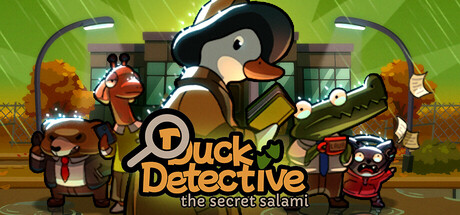
Almost none of them are. Most of this list is puzzle-first — hidden-object scenes, escape rooms, picross boards — where "mystery" means a thing to figure out, not a threat. The investigation games are played for comedy as often as for tension; Duck Detective is explicitly a no-murder mystery about a stolen lunch.
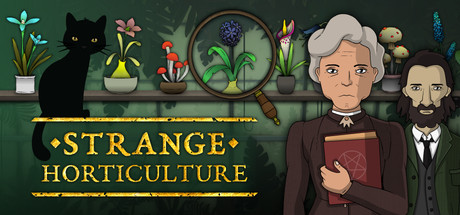
Two things are worth knowing before you pick. A few entries use occult or witchy dressing for atmosphere — Strange Horticulture has you identifying sinister plants in a dim shop. And a couple deal with heavier subject matter without being frightening at all: Dordogne is about sorting through a late grandmother's house, which lands as sad rather than scary. Murder by Numbers has murder in the title and means it, though it plays like a Saturday-morning cartoon.
No jump scares anywhere on this list. If unsettling tone bothers you more than shocks do, skim the store page screenshots — that tells you the temperature faster than the genre tag will. spooky cozy games
Do I have to be good at puzzles to solve the mystery?
Not usually, but this genre varies more than the others on this site, so it is worth a look before you buy. Plenty of cozy mysteries are really about noticing things rather than being clever: you read, you pay attention, and the answer is there if you have been following along. Others expect real deduction and genuinely let you get it wrong — Strange Horticulture, for instance, tracks a dread meter when you misidentify a plant, and enough mistakes will end your day and make you work your way back. That is part of its charm, but it is not frictionless. Most of these games also expect you to keep track of things yourself instead of handing you a notebook that fills itself in. If you want the gentlest version, check a game's difficulty or accessibility options before buying, and skim recent player reviews for the word "stuck" — that tells you far more than any list can.
Why do some games on this list not look like detective games?
Because the list is built from a mystery tag, and "mystery" covers more than whodunnits. Three different things end up here. There are true detective games, where you gather evidence and name a culprit — the Duck Detective games and Murder by Numbers are the clearest examples. There are games where a mystery runs underneath something else you're busy doing: a plant shop to run, a witch's hut to build, a town whose past you piece together while living an ordinary life. And there are finding games — hidden-object and escape-room puzzles — that are about searching carefully rather than solving a case. If you came for suspects and an accusation scene, start with the first group. If you just want the feeling of something waiting to be uncovered, the rest of the list is worth a look.